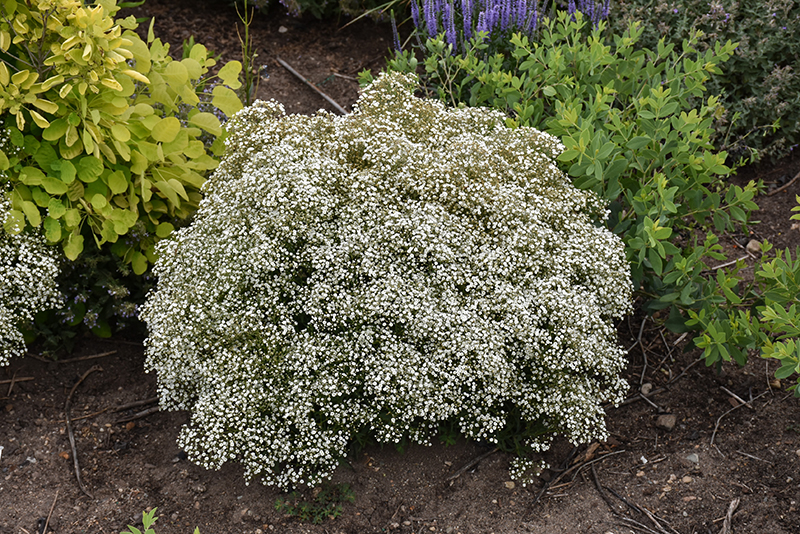
Gypsophila, Summer Sparkles Baby's Breath Gypsophila paniculata 'ESM Chispa' Height: 30 inches Spread: 4 feet
Sunlight:
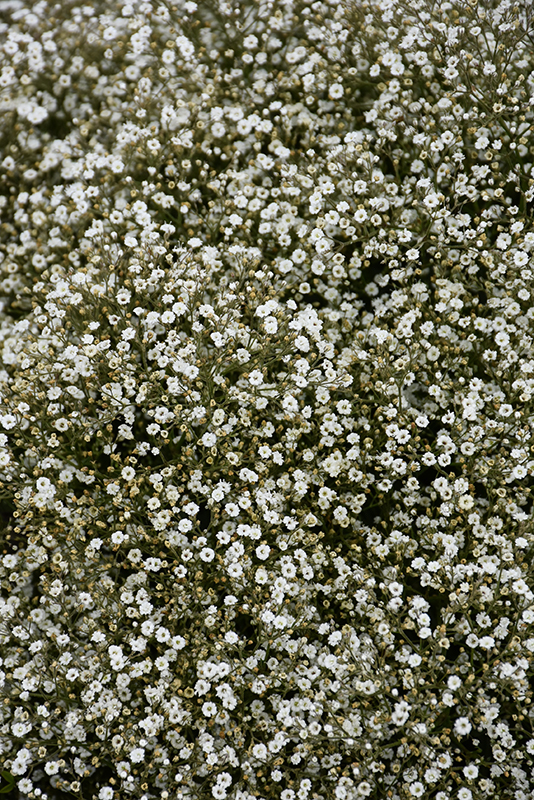
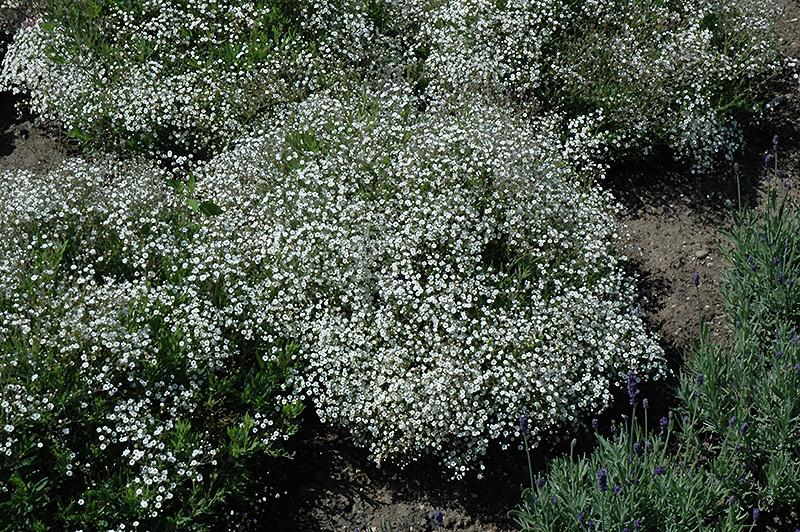
Hardiness Zone: 4a Description: Absolutely covered in flowers all summer long, with improved habit, bloom time, and longevity; adds beautiful, fine texture to the garden; tends to be smaller in containers; a fast grower that sets a new standard for baby's breath; great for dried flowers Ornamental Features Gypsophila, Summer Sparkles Baby's Breath is smothered in stunning plumes of semi-double white flowers at the ends of the stems from late spring to late summer. The flowers are excellent for cutting. Its grassy leaves remain grayish green in color throughout the season. Landscape Attributes Gypsophila, Summer Sparkles Baby's Breath is a dense herbaceous perennial with a mounded form. It brings an extremely fine and delicate texture to the garden composition and should be used to full effect. This plant will require occasional maintenance and upkeep, and is best cleaned up in early spring before it resumes active growth for the season. It has no significant negative characteristics. Gypsophila, Summer Sparkles Baby's Breath is recommended for the following landscape applications; Planting & Growing Gypsophila, Summer Sparkles Baby's Breath will grow to be about 26 inches tall at maturity, with a spread of 4 feet. Its foliage tends to remain dense right to the ground, not requiring facer plants in front. It grows at a fast rate, and under ideal conditions can be expected to live for approximately 10 years. As an herbaceous perennial, this plant will usually die back to the crown each winter, and will regrow from the base each spring. Be careful not to disturb the crown in late winter when it may not be readily seen! This plant does best in full sun to partial shade. It does best in average conditions that are neither too wet nor too dry, and is very intolerant of standing water. To help this plant achive its best flowering performance, periodically apply a flower-boosting fertilizer from early spring through into the active growing season. It is not particular as to soil type, but has a definite preference for alkaline soils, and is able to handle environmental salt. It is highly tolerant of urban pollution and will even thrive in inner city environments. This is a selected variety of a species not originally from North America.